
How Much Does the Development of a Taxi Booking App Cost?
More and more start-ups and businesses want to create ride-hailing apps. They’re looking for better apps, so they go to companies that make taxi apps.
The business owners tell these companies what they want in their taxi service apps. However, creating these apps involves many things and one of them is the development cost.
Today, we’ll explore factors affecting the taxi app development costs to go up or down.
Factors affecting the cost of cab booking app development:
-
Selection of platform
When you’re developing a taxi app, decide if it will be for iOS, Androids, or both. The chosen platform will affect the cost of developing a taxi service application.
Building an app for several platforms is usually more costly and demands more resources than designing only one.
-
Features to integrate
The cost of creating your taxi app depends on the features you want. Basic ones like GPS tracking, ride booking, user sign-up, and payment are common.
Adding advanced features, like in-app chat, real-time driver tracking, multiple payment options, and links to other services might increase the development cost. More unique and complex features mean a higher development price.
-
App design
There are two main steps in designing an app:
- Basic design: This is quicker and cheaper as it uses ready-made templates. However, it limits how unique and customizable your app looks.
- Custom design: This creates a unique and personalized interface, making the app more user-friendly and aligned with your brand. The custom design takes more time and money to build though.
-
Tech stack
The tech tools you pick really matter in figuring out how much it will cost to make your app. Before you start making your mobile app, make sure to set a budget.
This way, you can choose the right and affordable tools for your taxi booking app, from designing to building it. If you’re hiring a taxi app development company, make sure they use tools that match your project needs and budget.
-
Developer’s location
The location of the development company who are building your taxi app might affect the development cost.
For example, taxi mobile app development in the USA and UK will cost more than in Eastern Europe and countries like India, Japan, and Indonesia.
-
Third-party Integration
To create a taxi booking app, you have to follow technical and strategic steps. But when finishing the app, you’ll also need to connect it with other services.
For example, a good payment system that lets users pay in different ways. Adding features like Google Maps and push notifications can improve the user experience.
If you connect these apps to social media, SMS services, chatbots, and marketing tools, it will be more engaging for users.
-
App maintenance and update
After making an app, it’s important to regularly check and update it to keep it running well. If you need to make changes after creating it, it can cost more.
To avoid extra costs, it’s a good idea to list all the features and things you need when planning and creating a rideshare app.
Conclusion
In short, the above-mentioned factors can affect the taxi booking app development cost. If you are low on budget and want to dive into taxi booking app development, TaxiOnGo can be the right choice.
It is a white-label taxi app solution that is infused with all the necessary features. You can own this ready-made app and kickstart your taxi business instantly. For a demo, contact us.
Recent Blogs
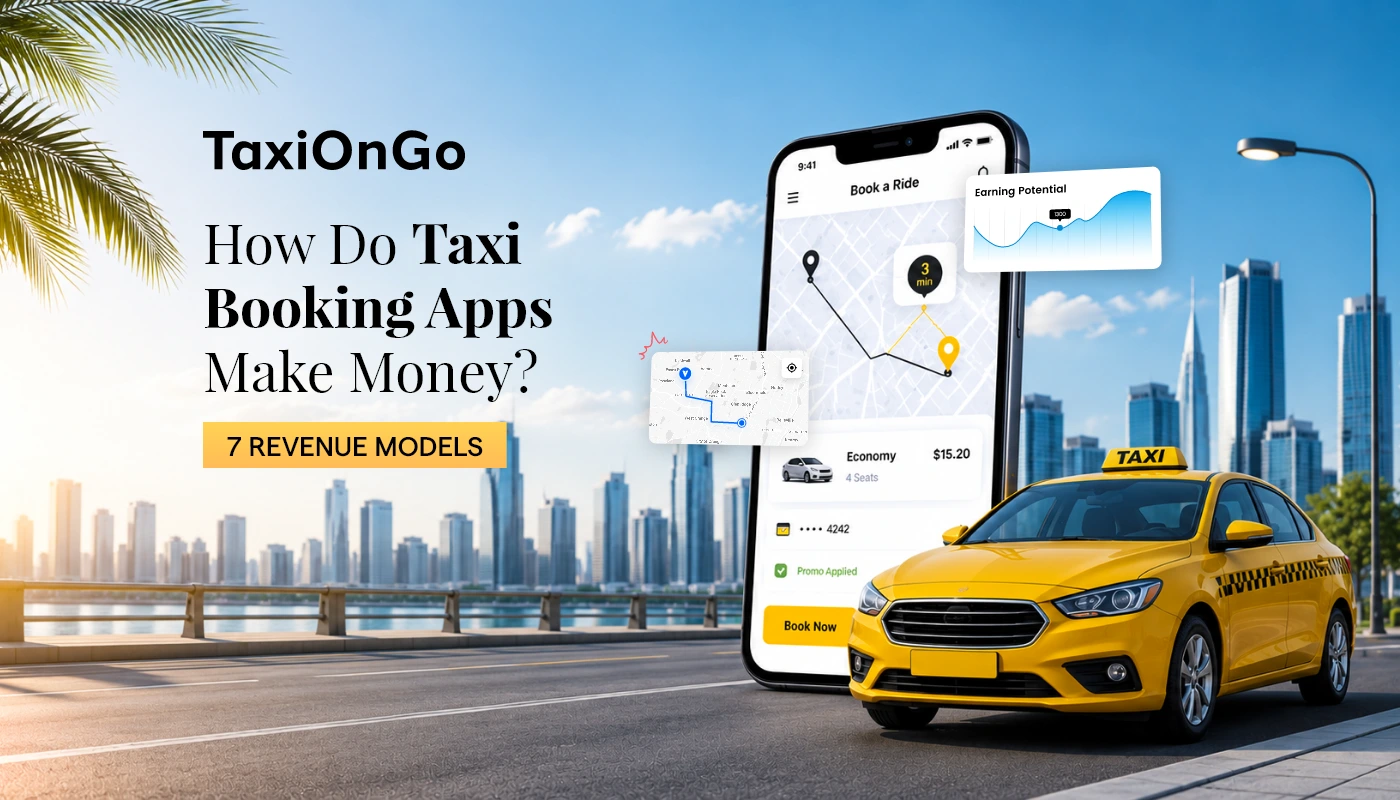
A taxi booking app can earn revenue through ride commissions, driver subscriptions, booking fees, dynamic pricing, advertising, corporate transport contracts and additional mobility services. The right model depends on who owns the vehicles, how drivers are engaged, local transport regulations and the number of completed bookings. Some platforms use one primary revenue stream, while others […] Read more
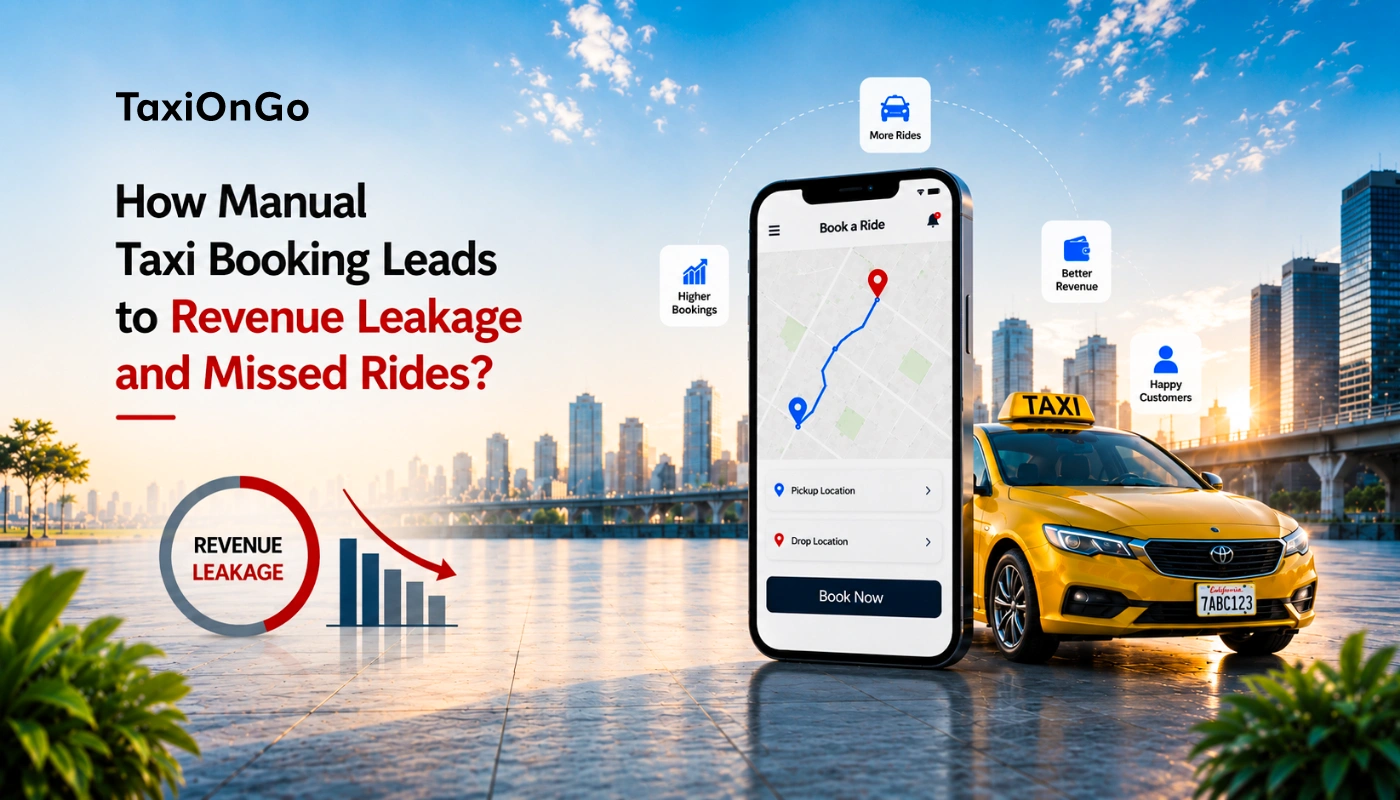
Taxi businesses can lose a significant portion of potential revenue when they rely on manual booking methods instead of digital booking systems. Missed calls, delayed dispatching, inefficient fleet utilization, and poor customer experiences often result in lost bookings and lower driver productivity. A modern taxi booking app helps eliminate these inefficiencies by automating ride requests, […] Read more

Fleet businesses planning to digitize their operations face an important decision- should they build custom taxi software from scratch or purchase a ready-made platform? Building offers greater control over the product, technology and user experience. Buying white label taxi software, however, usually provides faster deployment, a lower initial investment and access to essential features that […] Read more